
Top of the page · Translation Gem
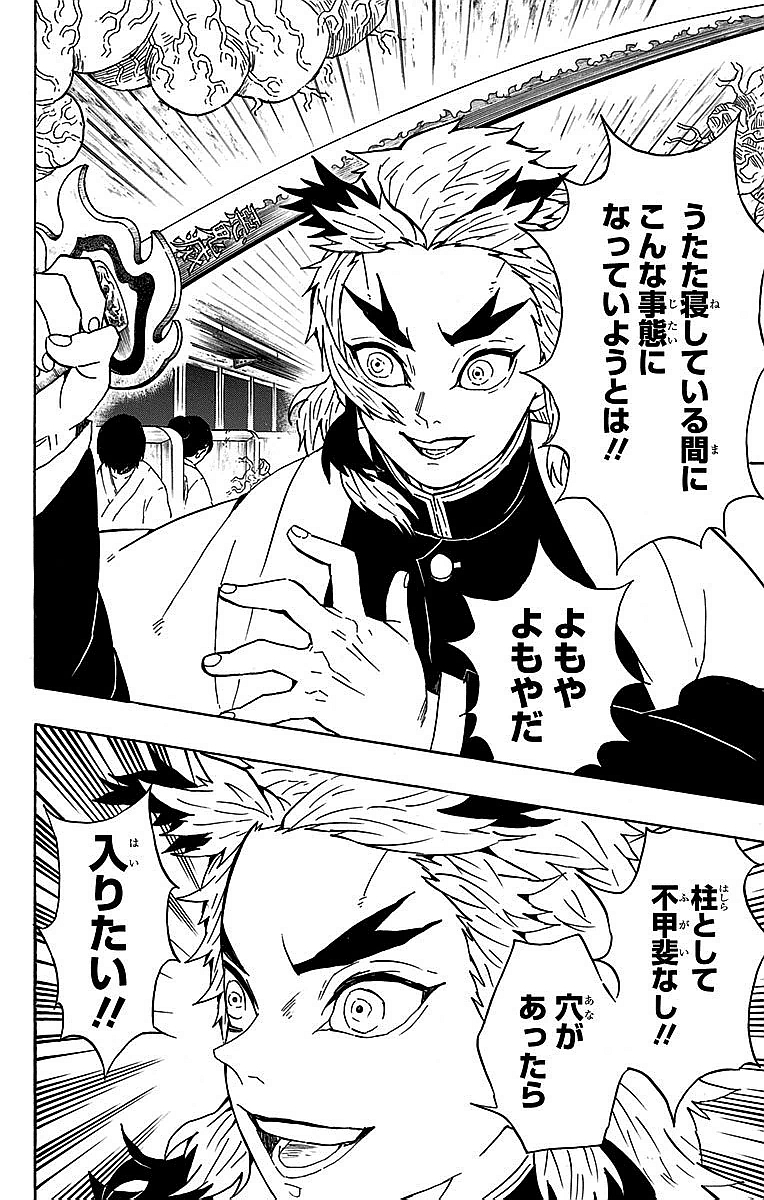
Why VIZ's "SOME HASHIRA I AM!" Nails 柱として不甲斐なし!!
柱として不甲斐なし!!
✓ VIZ: "SOME HASHIRA I AM!"
VIZ transforms a formal Japanese self-reproach into an inverted English idiom that hits just as hard—proof that knowing when to abandon literalism is the mark of a master translator.
Continue reading →
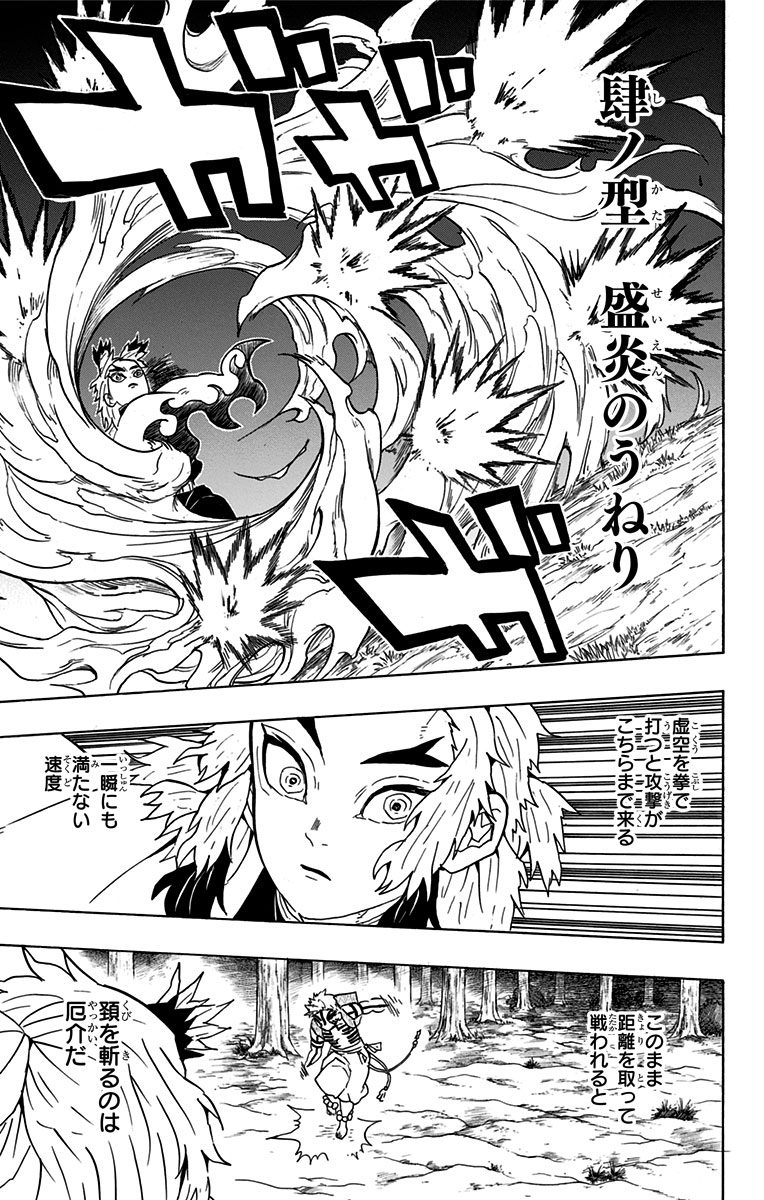
Why VIZ's 'BLOOMING FLAME UNDULATION' Nails the Poetic Surge of 盛炎のうねり
炎の呼吸 肆ノ型 盛炎のうねり
✓ VIZ: "FLAME BREATHING FOURTH FORM: BLOOMING FLAME UNDULATION!"
VIZ elevates a physical attack name by pairing the aesthetic verb 'blooming' with the musicality of 'undulation'—turning a kata description into lyric poetry.
Continue reading →
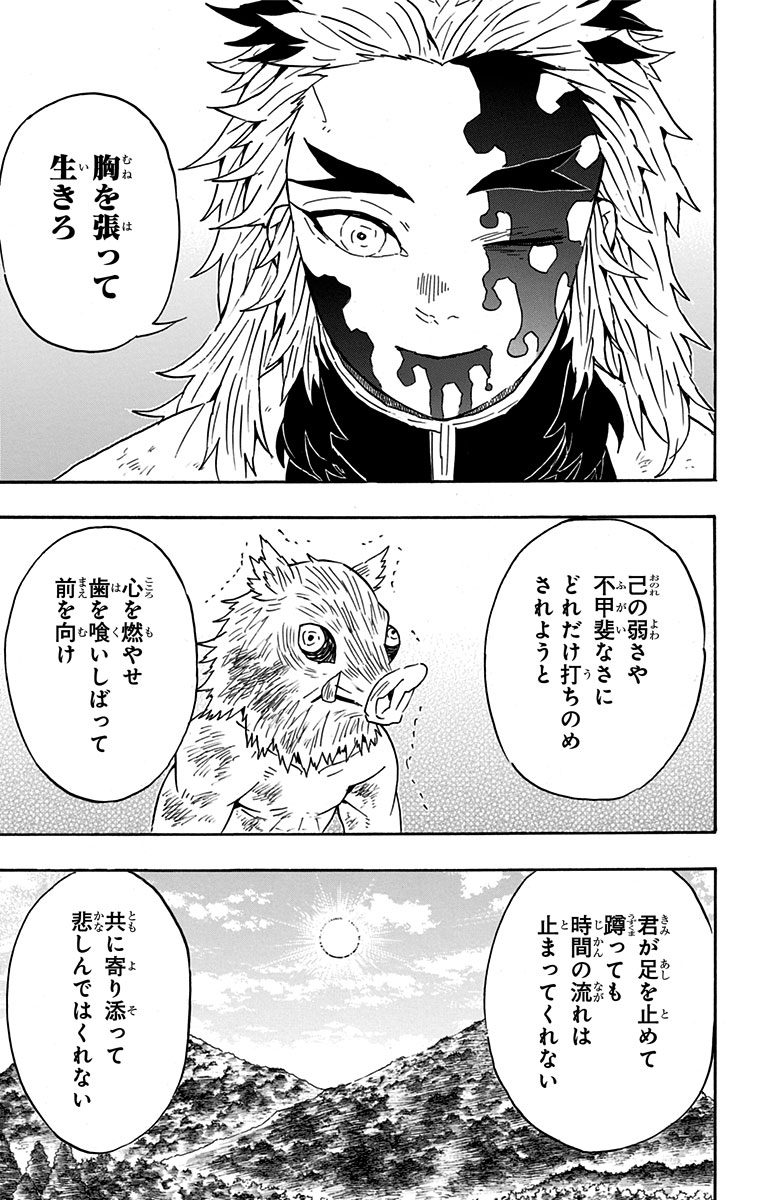
Rapid-fire imperatives: VIZ's "KEEP YOUR HEART BURNING, GRIT YOUR TEETH AND MOVE FORWARD"
心を燃やせ歯を喰いしばって前を向け
✓ VIZ: "KEEP YOUR HEART BURNING, GRIT YOUR TEETH AND MOVE FORWARD."
VIZ transforms three rapid-fire imperatives into a perfectly paced command sequence. The key move: reframing 向け (face forward) as MOVE FORWARD amplifies the original's motivational force, turning directional awareness into unstoppable action.
Continue reading →
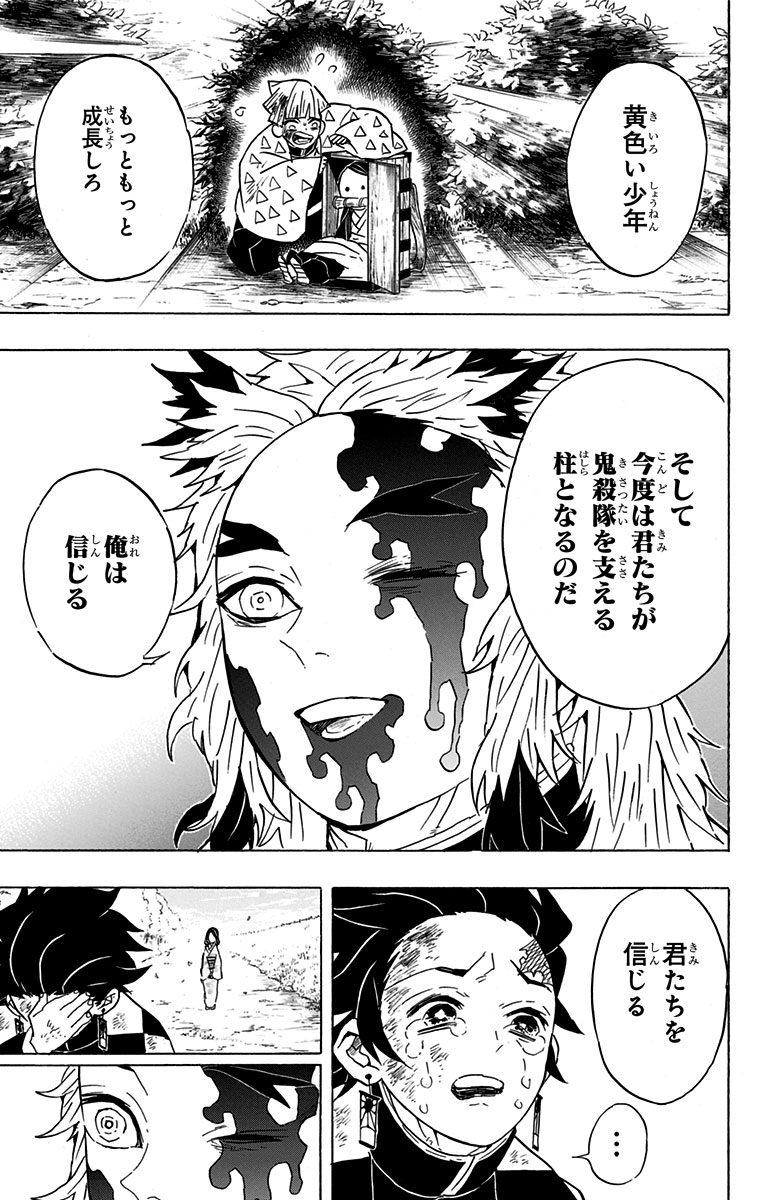
Why VIZ's 'Become Hashira and Be the Pillars' Nails そして君たちが柱となるのだ
そして今度は君たちが鬼殺隊を支える柱となるのだ
✓ VIZ: "SOMEDAY YOU GUYS WILL BECOME HASHIRA AND BE THE PILLARS OF THE DEMON SLAYER CORPS."
VIZ nails a brilliant semantic doubling: it preserves the Japanese rank term 'Hashira' while simultaneously unpacking it as 'Pillars,' revealing that rank and structural function are one thing. The parallel syntax makes this move audible and memorable.
Continue reading →
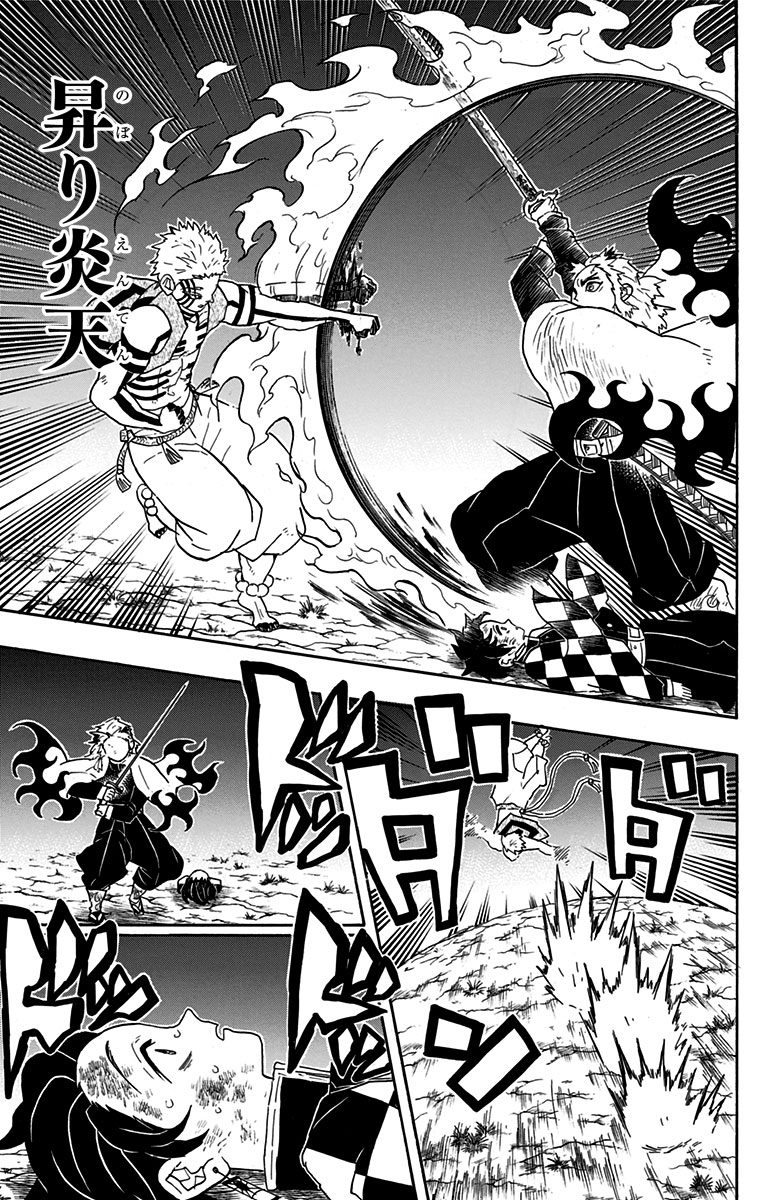
Why VIZ's 'Rising Scorching Sun' nails the poetic punch of 昇り炎天
炎の呼吸 弐ノ型 昇り炎天
✓ VIZ: "FLAME BREATHING SECOND FORM: RISING SCORCHING SUN!"
VIZ elevates a technique name from technical classification to poetic battle-cry by preserving the register shift from formal 弐ノ型 to lyrical 昇り炎天. The English rendering captures both the upward motion of 昇り and the visceral cosmic intensity of 炎天 while perfectly suiting the exclamatory, combat-delivery register.
Continue reading →
What is this?
Translation Gems compares a verified Japanese manga line with its official English rendering, then unpacks what the translator got right: rhetorical inversions, idiom substitutions that match register, typographic intensity matching, and other moves a literal translation would have missed. Both source quotes are byte-exact (matched against the same panel in the Japanese and English VIZ editions).